
Helping leaders find a credible, confident and human voice
The voice of your leaders matters more than ever.
From shifting workplace expectations to climate change and inclusion, today’s leaders are expected to engage with the issues that matter, thoughtfully and authentically.
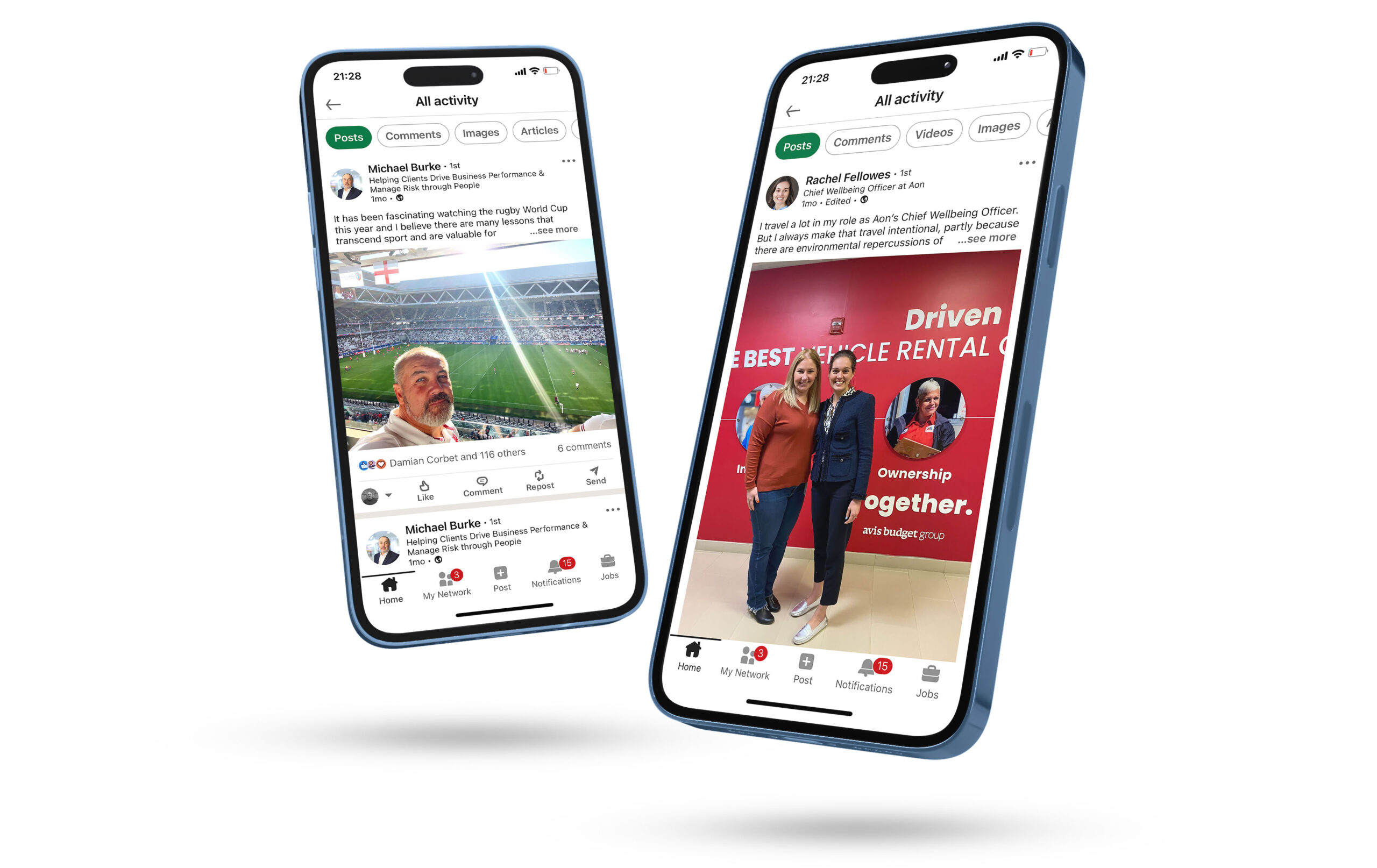
BUILDING LEADERSHIP BRANDS THAT RESONATE
Through our sister company, The Social C-Suite, we help leaders:
- Identify the issues they care about
- Develop a credible point of view
- Communicate with empathy and clarity
- Build trust internally and externally
The result is leadership presence that feels human, considered and impactful.
If your leaders want to show up with confidence and purpose, we’d love to help.
SOME QUESTIONS WE’RE OFTEN ASKED…
Executive visibility matters because the reputation of a professional services firm is closely connected to the expertise and credibility of its leaders. Prospective clients increasingly research the individuals behind an organisation, often before entering a formal buying process. Leaders who share informed perspectives, demonstrate judgement and participate in relevant industry conversations can strengthen confidence in both themselves and their firms. Effective executive visibility therefore supports corporate reputation, market differentiation, relationships and commercial opportunity, rather than simply building an individual’s personal profile.
LinkedIn can be a valuable platform for CEOs, Managing Partners and senior professional services leaders because it provides a direct way to demonstrate expertise, share perspectives and engage with important stakeholders. However, effective executive visibility is not about posting frequently or becoming a social media personality. It is about contributing thoughtfully to conversations that matter to clients, employees, peers and the wider market. A credible and consistent presence can help make a leader, and the organisation they represent, more familiar and trusted long before a commercial conversation begins.
A CEO can build meaningful visibility by sharing their experience, perspective and judgement on issues that matter to their organisation and its stakeholders. This might include commenting on market developments, explaining strategic decisions, discussing leadership challenges or sharing insights from clients and colleagues. The objective should be to establish credibility and create valuable conversations, not to pursue followers or engagement for their own sake. For business leaders, the strongest personal brands are usually an extension of how they already lead, think and communicate.
Executive content should always reflect the leader’s genuine thinking, but that does not mean they need to write every word themselves. Interviews, conversations and voice notes can help capture their ideas and perspectives, which can then be developed into content with professional support. What matters is authenticity: the finished content should reflect the executive’s knowledge, opinions and natural communication style. Generic content produced simply to maintain a posting schedule risks undermining the very credibility executive visibility is intended to build.
Executive visibility can contribute to business development by making senior leaders and their expertise more discoverable, familiar and credible to prospective clients. This can lead to direct enquiries, introductions, speaking opportunities and valuable commercial conversations. Its influence may also be less visible, helping a firm enter a buyer’s consideration set before a formal opportunity emerges. PSM’s experience supporting senior executives at Aon has demonstrated how a coordinated executive visibility programme can strengthen engagement and create wider reputational and commercial opportunities.
Executive visibility should be measured against the strategic objectives it is intended to support. While follower growth, reach and engagement provide useful indicators, senior leaders should also consider whether their presence is strengthening relationships, reaching priority audiences and creating opportunities for the business. Relevant connections, engagement from target clients, speaking invitations, media interest, inbound conversations and influenced opportunities can all contribute to the picture. The ultimate measure is whether greater visibility is building credibility and supporting the wider organisation’s reputation and commercial objectives.
Let’s Talk